
Episode X: TK
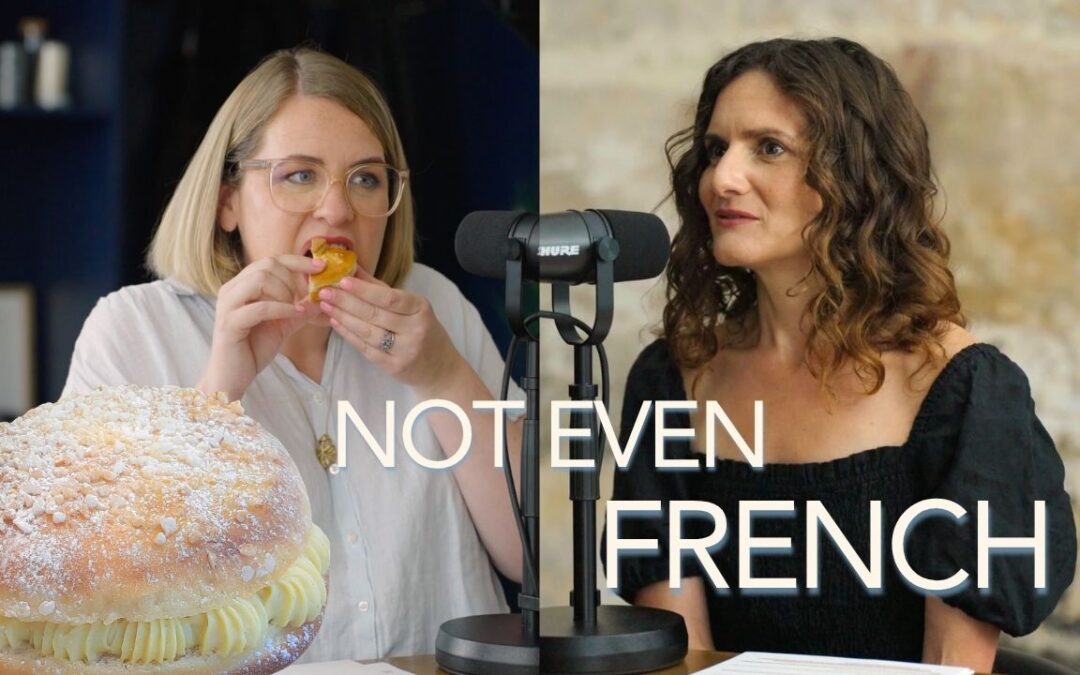
The Most Famous Pastry in Saint-Tropez Isn't French
Stream the Real Fishwives of Paris wherever you listen to your podcasts, and don’t forget to rate, review, and subscribe!
SHOWNOTES
Tarte Tropézienne: From Polish Immigrant to French Icon
The Tarte Tropézienne is one of the most famous desserts on the French Riviera, but it wasn’t invented by a French pastry chef.
In this episode, Emily and Caroline uncover the surprising story behind Saint-Tropez’s signature pastry. From Polish immigrant baker Alexandre Micka to Brigitte Bardot’s unexpected role in naming the dessert, they explore how a family recipe became a French icon.
Along the way, they dive into the history of brioche, French pastry cream, celebrity influence, trademarks, and the transformation of Saint-Tropez from a fishing village into a global luxury destination.
Podcast Show Notes
In this episode:
- Why the Tarte Tropézienne isn’t actually a tart
- The Polish origins of Saint-Tropez’s most famous dessert
- How Brigitte Bardot helped create the brand
- The movie that transformed Saint-Tropez forever
- Alexandre Micka’s original bakery story
- Why the dessert became a trademarked product
- The history of brioche in France
- The different creams used in a Tarte Tropézienne
- How modern pastry chefs reinvent the classic recipe
- Why France often embraces foods with foreign origins
Key Takeaways
- The Tarte Tropézienne was invented by Polish immigrant Alexandre Micka.
- Brigitte Bardot gave the pastry its famous name during the filming of And God Created Woman.
- Saint-Tropez was a relatively unknown fishing village before the 1950s, and now has been ruined by rich Americans.
- The dessert is actually a brioche filled with cream, not a tart.
- American buttercream sucks.
- The name “Tarte Tropézienne” is trademarked, but the dessert itself is widely recreated.
- The pastry’s success mirrors the rise of Saint-Tropez as an international luxury destination.
- Modern pastry chefs continue to reinterpret the dessert with new flavors and techniques.